
Cuba
Cultural & Historical context
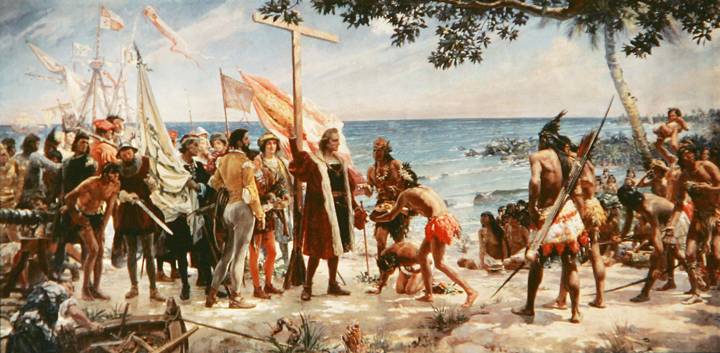
1492 – Arrival of Columbus
- October 27, 1492: Christopher Columbus lands in Cuba during his first voyage.
- Mistaken Identity: Believes Cuba is a peninsula of Asia while seeking a route to India.
- Colonial Expansion: French and Spanish settlers introduce African slaves, profoundly altering Cuba’s culture.
19th century –
Struggles for Independence
- Early Movements: Reformism, annexation, and independence emerge as political ideologies.
- 1868: First major conflict for independence ends inconclusively.
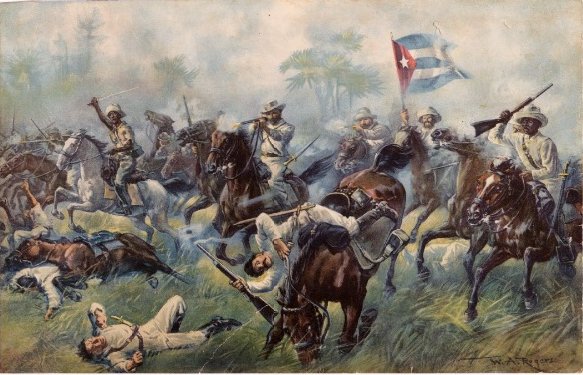
- 1895: Second independence war begins, led by José Martí, Máximo Gómez, and Antonio Maceo.
- 1898: Spanish troops leave; U.S. administration takes over temporarily.
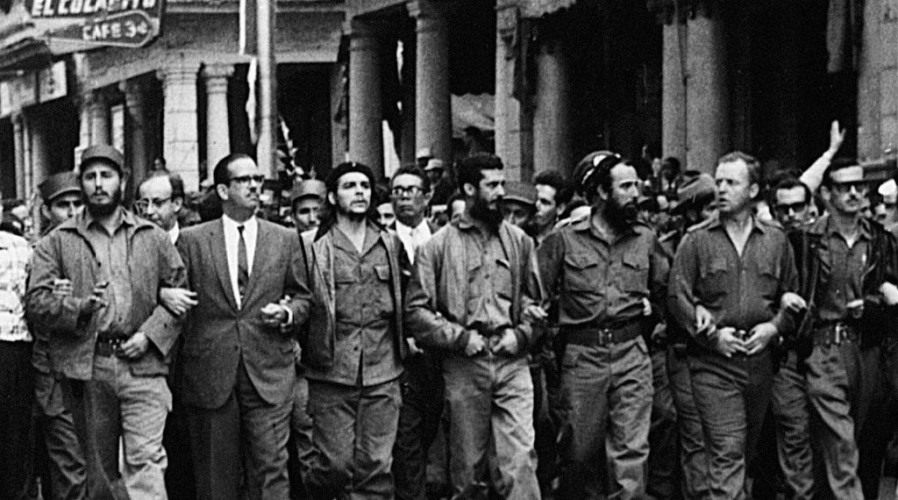
1959 – Cuban revolution
- Overthrow of Batista: Fidel Castro leads guerrilla forces to establish a socialist government.
- Nationalization: Refineries and U.S.-owned properties, including ITT and United Fruit Company, are seized.
- Agrarian Reform: Redistribution of land to Cuban farmers begins.
4000 BC
Early Settlers
- First Inhabitants: Neolithic societies, such as the Cayo Redondo and Guayabo Blanco cultures.
- Tools and Ornaments: Crafted from ground stone and shells, including ceremonial gladiolitos.
- Migration: Frequent arrivals from Mesoamerican civilizations, including the Arawak people.
1492
Arrival of Columbus
- October 27, 1492: Christopher Columbus lands in Cuba during his first voyage.
- Mistaken Identity: Believes Cuba is a peninsula of Asia while seeking a route to India.
- Colonial Expansion: French and Spanish settlers introduce African slaves, profoundly altering Cuba’s culture.
19th Century
Struggles for Independence
- Early Movements: Reformism, annexation, and independence emerge as political ideologies.
- 1868: First major conflict for independence ends inconclusively.
- 1895: Second independence war begins, led by José Martí, Máximo Gómez, and Antonio Maceo.
- 1898: Spanish troops leave; U.S. administration takes over temporarily.
1959
Cuban Revolution
- Overthrow of Batista: Fidel Castro leads guerrilla forces to establish a socialist government.
- Nationalization: Refineries and U.S.-owned properties, including ITT and United Fruit Company, are seized.
- Agrarian Reform: Redistribution of land to Cuban farmers begins.
1961
Bay of Pigs Invasion
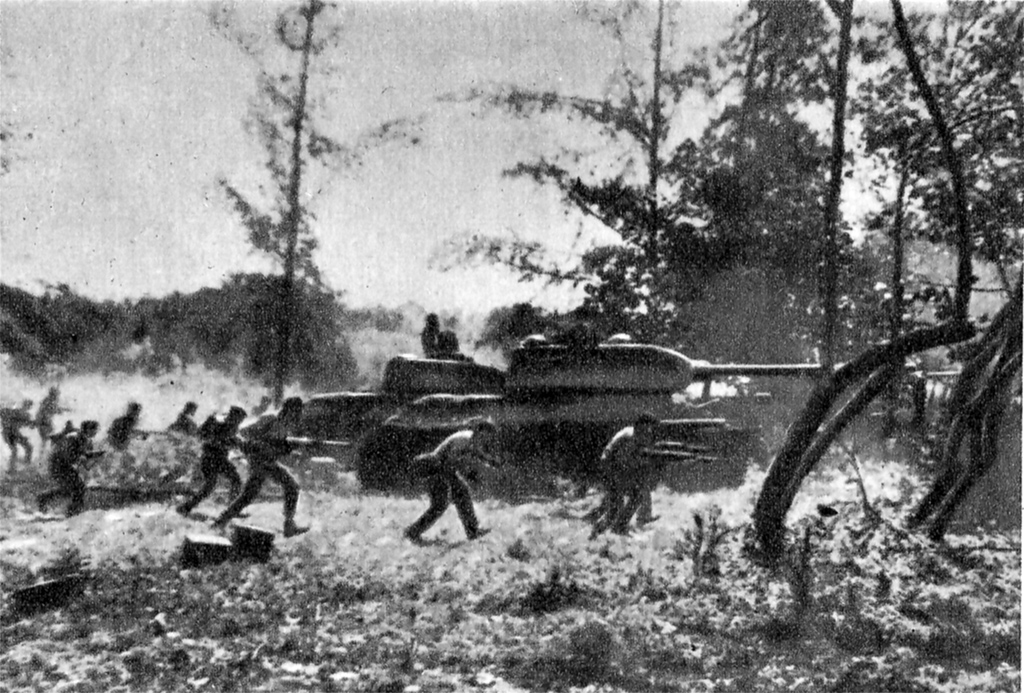
- CIA Plan: Attempt to overthrow Castro with Brigade 2506, a group of Cuban exiles.
- Failure: Invasion fails, strengthening support for Castro’s government.
1962
Cuban Missile Crisis
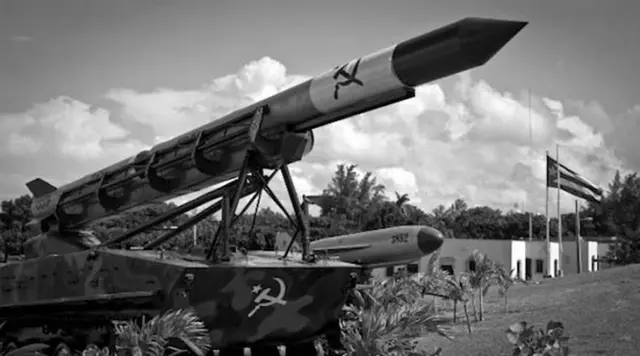
- Missile Agreement: Cuba allows Soviet missiles on its soil, triggering U.S. naval blockade.
- Resolution: Soviets withdraw missiles; U.S. commits not to invade Cuba.
1990s
Economic Crisis
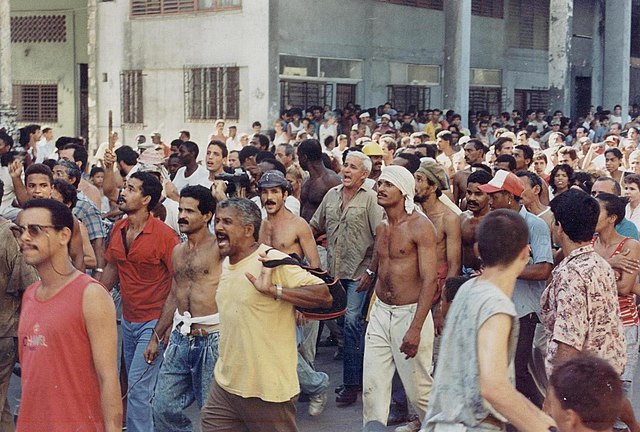
- Post-Soviet Era: Loss of Soviet support causes economic hardship.
- Tourism Boom: Cuba pivots to tourism as a major industry.
- Dual Economy: Dollar-based and peso-based economies develop, creating social divides.
- 2004: U.S. dollars are removed from circulation in favor of convertible pesos.
21st Century
Leadership Transitions
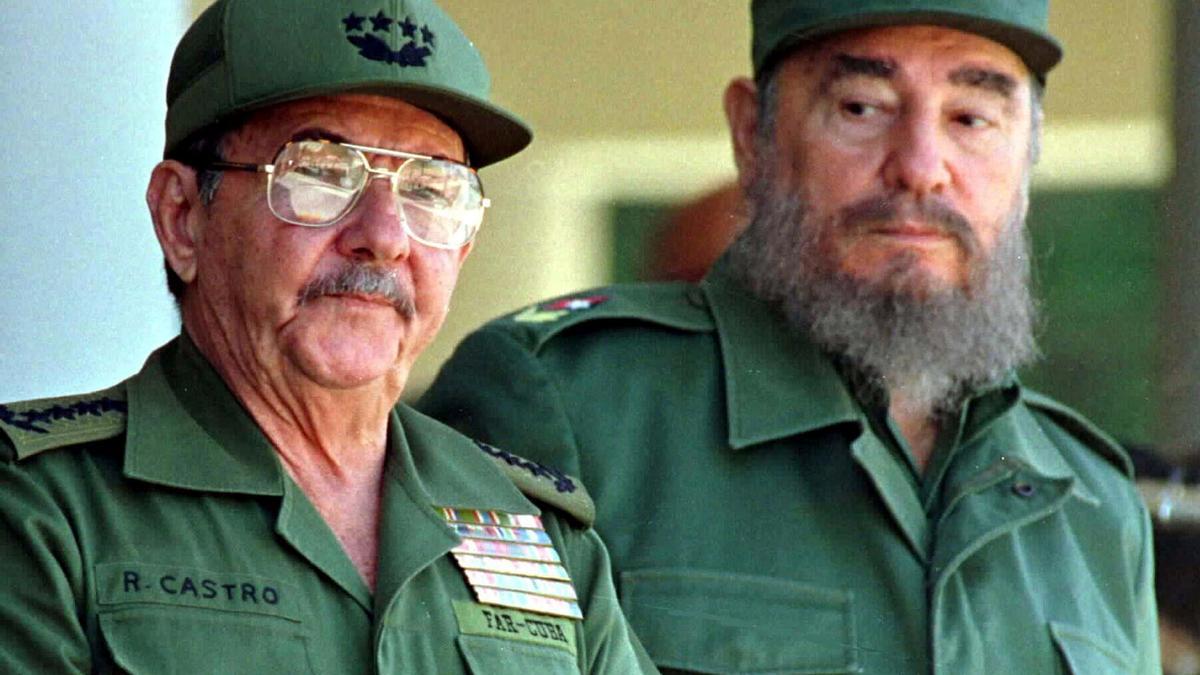
- 2008: Raúl Castro replaces Fidel Castro as president.
- 2018: Miguel Díaz-Canel becomes president.
- 2021: Díaz-Canel takes leadership of the Communist Party, succeeding Raúl Castro.
